
By Bilesanmi Abayomi
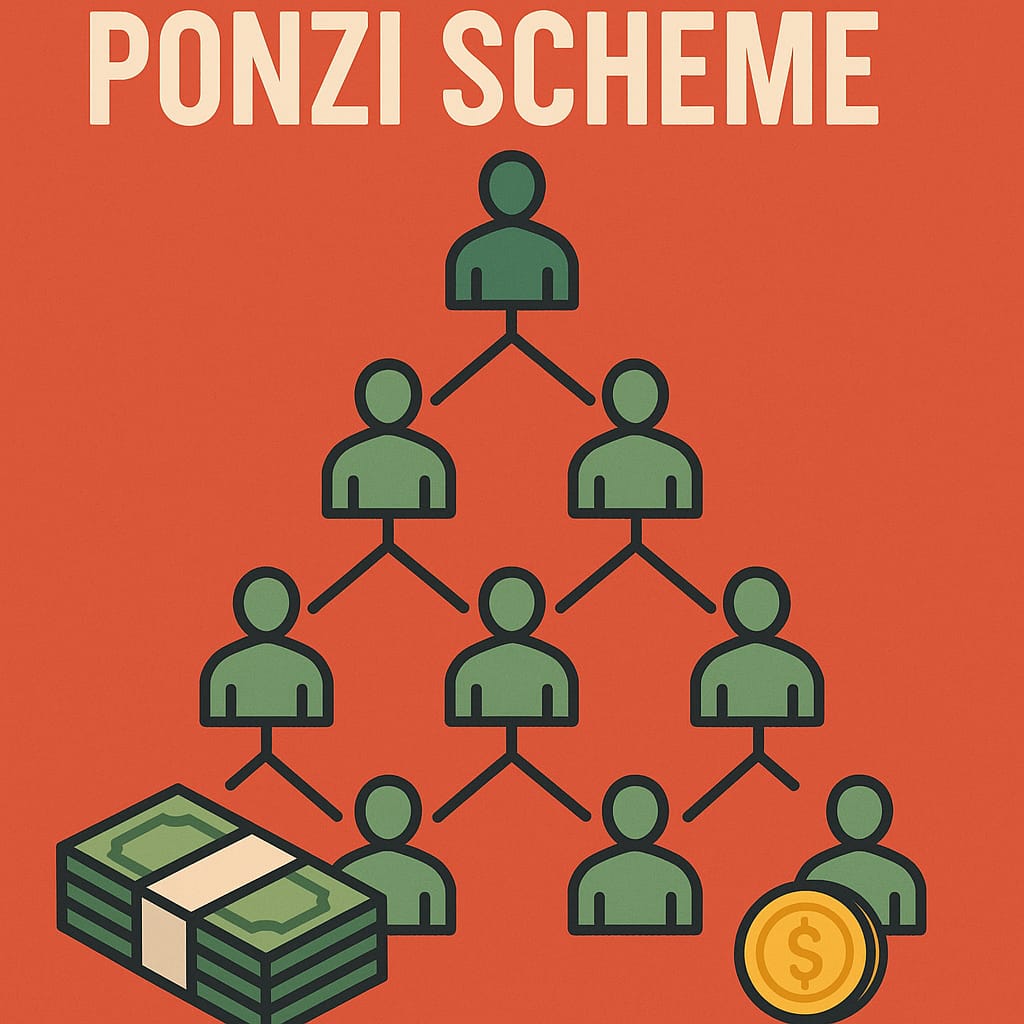
Over the past decade, Nigeria has witnessed an alarming rise in Ponzi schemes, which have exploited the country’s economic vulnerabilities and left millions of citizens in financial ruin. From digital scams wrapped in cryptocurrency jargon to pyramid structures masquerading as cooperative societies, these schemes have thrived by promising quick, mouthwatering returns—and collapsing just as quickly.
One of the more recent players in this deceptive ecosystem is CryptoBond Exchange (CBEX), a supposed cryptocurrency investment platform. CBEX lured users with attractive referral bonuses and high returns, positioning itself as a blockchain-based solution to wealth creation. However, like its predecessors, it relied on the capital of new entrants to pay existing users. When fresh inflows dried up, the platform abruptly halted withdrawals, blaming “technical issues”—a euphemism for insolvency. Many Nigerians who invested in the platform were left stranded, with their savings wiped out.
A Trail of High-Profile Scams
CBEX is only the latest in a long line of Ponzi operations that have exploited Nigerians’ desire for financial relief. Among the most notorious:
MMM Nigeria (2016): Promised 30% monthly returns and collapsed spectacularly, affecting over three million Nigerians.
Ultimate Cycler: Required users to invest ₦12,500 and recruit others in a cycle-based matrix; it failed within months.
Twinkas: Claimed investors could double their money quickly but soon defaulted, leaving participants in financial distress.
Loom Nigeria: Spread via social media with the appeal of an 8x return; it vanished almost as fast as it appeared.
MBA Forex and Capital Investment Ltd: Promised a 15% return from forex trading, but investigations revealed a lack of real investment activity. Legal battles and the CEO’s arrest followed.
Racksterli: Backed by influencers and promoted an ad-revenue sharing model. Eventually defaulted, damaging public trust.
Baraza Multipurpose Cooperative Society: Pledged 25–30% monthly returns before being shut down by the Economic and Financial Crimes Commission (EFCC) amid widespread investor complaints.
Why Nigerians Remain Vulnerable
Analysts point to several factors that continue to make Nigerians easy targets:
- Economic Hardship: With rising unemployment and inflation, many citizens turn to alternative income streams.
- Low Financial Literacy: A significant number of investors are unaware of how legitimate financial markets operate.
- Greed and Desperation: The allure of high returns with minimal effort often clouds better judgment.
- Social Influence: Early beneficiaries, often friends or family, unintentionally convince others to invest.
The Human Toll of False Promises
Beyond the statistics and court cases lie the real stories—teachers who lost pension savings, market traders who emptied their stalls to invest, students who gambled tuition fees. These schemes leave behind not just financial losses, but also broken relationships, eroded trust, and deep psychological trauma.
Experts advise that Nigerians exercise caution and verify the legitimacy of investment platforms through regulatory bodies such as the Securities and Exchange Commission (SEC) and the Central Bank of Nigeria (CBN). As the old saying goes: If it sounds too good to be true, it probably is.