
By Bilesanmi Abayomi
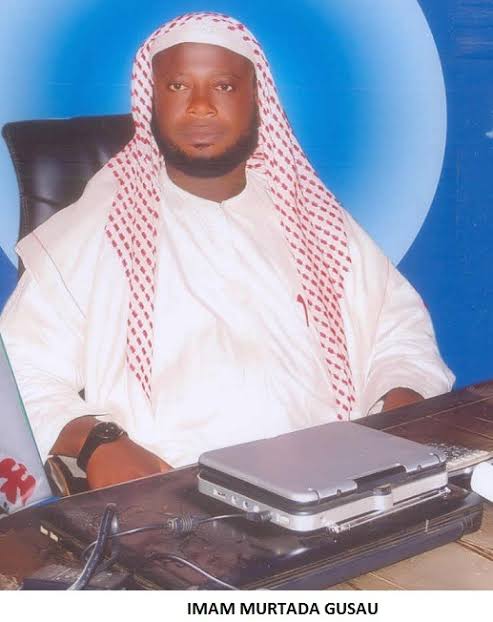
A Friday sermon delivered by Imam Murtada Gusau titled “Iran-Israel War: We Rejoice at Iran’s Victory Against Israel” has stirred controversy and ignited nationwide debate among Nigerians, as concerns grow over the implications of religious rhetoric on sensitive geopolitical issues.
The sermon, perceived by many as celebrating Iran’s position in the ongoing Iran-Israel conflict, has drawn sharp criticism from civil society members, religious commentators, and political analysts, who say it crosses ethical boundaries and contradicts the core values of peace espoused in Islam.
One of the most vocal critics, Comrade Amos Sunday Ojajuni, described the sermon as disturbing and misaligned with Islamic teachings.
“I’m shocked by the tone of your sermon, rejoicing in another nation’s victory over another, especially when it involves conflict and bloodshed. Doesn’t Islam teach us about compassion, mercy, and peace?” he queried, urging religious leaders to prioritize messages of unity and reconciliation.
Public commentator Oyebanji Aina added that many Nigerians fail to distinguish between religion and politics when interpreting Middle East conflicts.
“The war is geopolitical, not religious. Those cheering Iran now are the same people who previously rejected Shia Muslims. Many Gulf countries, which are also Muslim-majority, allowed Israeli use of their airspace. Religion is not the sole driver here,” he noted.
On the Situation Platform, a commentator identified simply as Dayo cautioned against fueling sectarian narratives, stating that celebrating the conflict reveals a “lack of wisdom.”
“Israel is not a Christian country. It is a Jewish state. Painting this as a religious war distorts facts and misleads people,” he argued, calling for more nuanced discussions rooted in facts and empathy.
Hon. Okufuwa Samad Oluwatoyin also urged Nigerians to refrain from forming conclusions based on emotion or ideological bias.
“We must do thorough analysis before taking sides. Conflicts are often more about ego and power than religious ideology,” he said.
However, the sermon was not without defenders. Taiwo Lasisi, President of the Ta’awun Political Forum in Lagos, dismissed the backlash as exaggerated.
“This sermon is being beaten down and destructively criticized. It’s pathetic,” he stated in a brief reaction.
The incident has rekindled debate about the role of religious leaders in shaping public opinion on international issues and the responsibility of religious platforms in promoting peace.
Analysts say that while freedom of expression remains vital in a democratic society, leaders must be cautious not to stoke division or appear to glorify violence—especially when discussing foreign conflicts that carry no immediate relevance to national interest.
As tensions persist in the Middle East, Nigerians are being urged to embrace moderation, avoid inciting narratives, and view global issues through the lens of diplomacy, peace, and human dignity.