
By Bilesanmi Abayomi
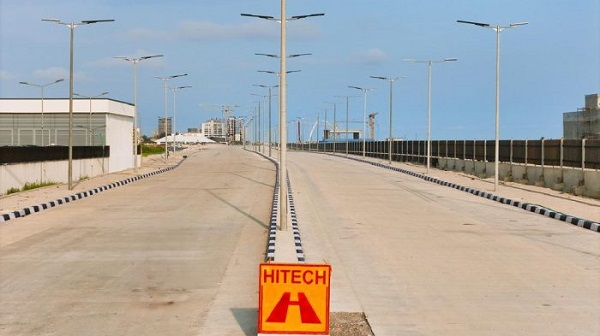
The ongoing controversy surrounding the Lagos-Calabar Coastal Highway has reignited national conversations about accountability, transparency, and value for money in Nigeria’s public infrastructure projects.
A recent online exchange between civic commentators, including Tunde Jakande and Omooba Shonibare Surajudeen Owolabi, has brought fresh attention to the unresolved question of how much the ambitious project truly costs — and how those figures were determined.
Jakande, in his post, estimated that “the average cost per kilometre is between ₦30 billion and ₦50 billion, depending on soil composition, terrain, and construction factors in the particular area.” Despite this, he noted that no official figures have been disclosed by the federal authorities on the actual cost per kilometre or the project’s total valuation.
He stressed that his inquiry was not politically motivated but rooted in the need for transparency, lamenting how genuine scrutiny is often misconstrued as opposition.
Responding, Omooba Owolabi argued that road construction costs cannot be evaluated solely on a per-kilometre basis, as factors such as bridges, compensation to property owners, and the complexity of terrain — particularly in coastal areas — significantly influence pricing.
Jakande, however, pressed further, insisting that clarity is non-negotiable: “How was the cost determined and the contract approved?”
Beyond the online debate, observers say the Lagos-Calabar Highway controversy exposes a deeper governance issue — the public’s limited access to project details and the absence of open procurement documentation for multi-trillion-naira ventures.
For many Nigerians, the conversation is not about politics but principle. As Jakande emphasized, “When all is said and done, it is not the President’s money or the Minister’s money that is being spent — it’s public money.”
The exchange mirrors the assertive style of broadcast journalist Rufai Oseni, whose insistence on transparency has often divided opinions between those who view his questioning as confrontational and others who see it as essential civic duty.
Jakande concluded with a reminder that resonates beyond this project:
“In the landscape of public service, accountability is key. Transparency and good stewardship are essential for building trust with the public. When public officers are held accountable, it strengthens governance and ensures that power is used for the greater good.”
At its core, Nigerians are not asking for much — just figures, facts, and fairness.
Follow the KosofePost channel on WhatsApp: