
By Bilesanmi Abayomi
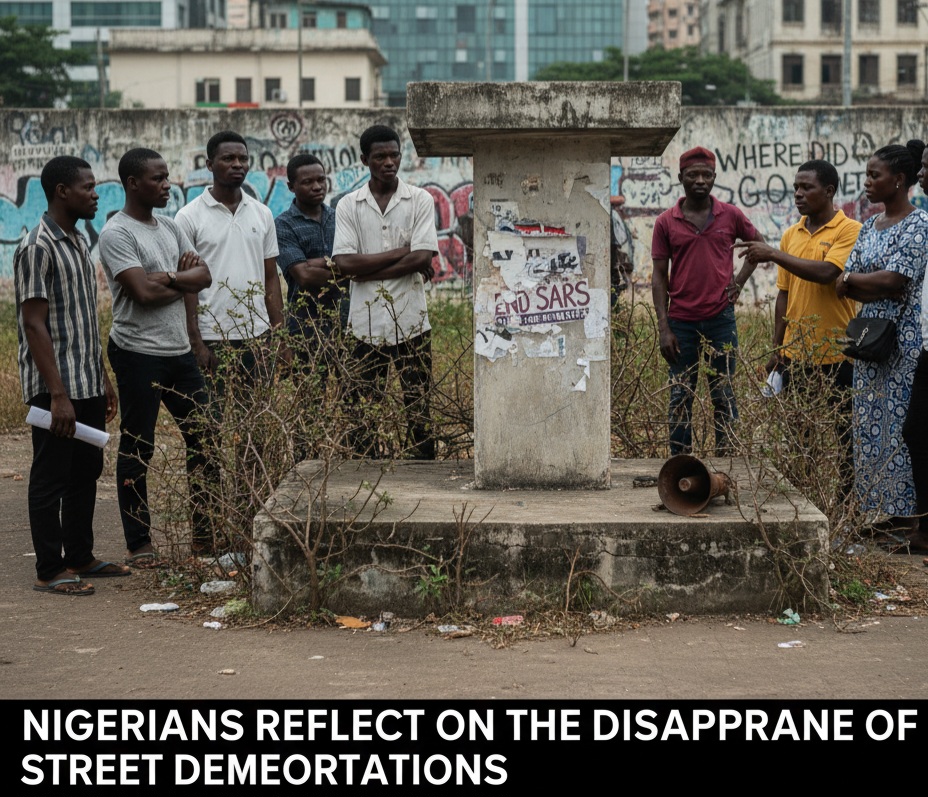
In 2012, Nigeria’s streets echoed with the chants of citizens demanding good governance, accountability, and social justice. From Lagos to Kano, protests—such as the famous Occupy Nigeria movement—symbolized the power of collective action. But more than a decade later, that once-vibrant culture of protest appears to have vanished.
Raising this concern in a recent discussion, KosofePost.com posed the question: “In 2012, protest was like water in Nigeria. Why has protest become such a big crime in Nigeria today?”
Public affairs analyst, Omoba Awofeso Rasheed, attributed the shift to what he described as the “comfort of power.” He argued that many of those who once mobilized citizens against bad governance are now beneficiaries of the same system they criticized.
“The champions and movers of protests in the past are now captains and beneficiaries of various political offices. They know how the heat pinches; hence, they never want such to be exhibited while on their various basking seats,” Rasheed noted.
He added that such individuals often turn into “preachers” after leaving office, preaching the same ideals they abandoned while in power.
Similarly, Taiwo Lasisi, President of Ta’awun Humanitarian Forum, Lagos, observed that since the emergence of the All Progressives Congress (APC) in 2015, street protests have virtually disappeared from the national scene.
According to Lasisi, Nigerians now hold divided opinions on why protests have faded. While some believe the government’s performance has reduced the need for mass demonstrations, others argue that citizens lack the financial and organizational resources to mobilize large-scale movements.
“Another school of thought believes no one has the courage to organize protests anymore, or that those who can have already been absorbed by the ruling party,” Lasisi said.
He concluded on a reflective note:
“Maybe in 2012, protest was constitutional, while today it has been outlawed and rendered abominable. Protest or no protest, may the Almighty bring out the best from our leaders for the citizenry to enjoy the dividends of democracy.”
The conversation reflects a broader national anxiety about Nigeria’s shrinking civic space and the fading tradition of peaceful dissent—an essential feature of any thriving democracy.