
By Bilesanmi Abayomi
As preparations for Nigeria’s 2027 general elections gather momentum, a political commentary published by Kosofe Post has raised concerns over the recurring cycle of unfulfilled promises, voter manipulation, and the social costs borne by ordinary citizens.
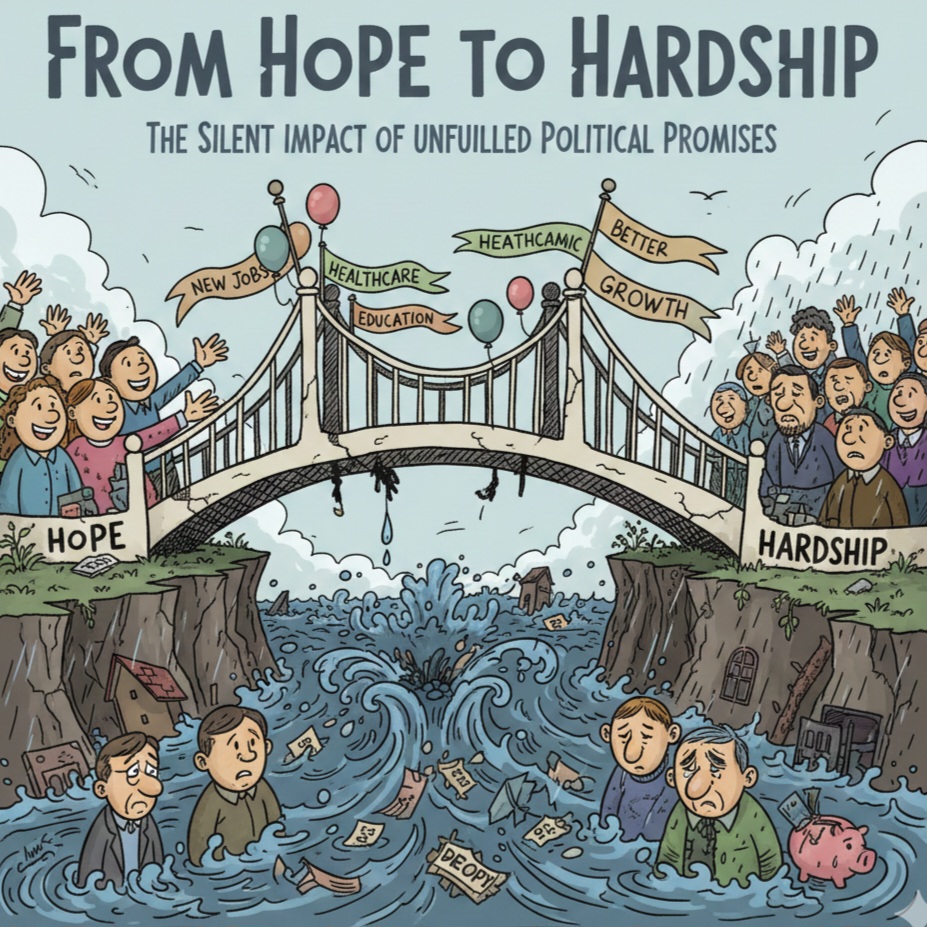
In the article titled “2027 Politics and the Silent Cost of False Promises on Supporters’ Well-Being,” published on January 10, Kosofe Post examines what it describes as a persistent pattern of deceptive campaign pledges and weak governance outcomes that resurface during every electoral cycle.
According to the publication, many political actors routinely promise democratic dividends during election campaigns but fail to deliver basic amenities such as security, potable water, functional roads, quality healthcare, education, and efficient transportation once in office. The article argues that this failure entrenches poverty, leaving citizens economically vulnerable and increasingly dependent on political office holders for survival.
Director of Kosofe Post, Bilesanmi Abayomi, is quoted as saying that politicians have effectively “weaponised poverty” by neglecting governance responsibilities, thereby forcing citizens to seek personal intervention for hospital bills, school fees, and emergency needs. He noted that in a functional society, such appeals should be unnecessary, as basic services ought to be guaranteed through effective public service delivery.
The commentary further criticises what it describes as tokenistic gestures by political leaders, noting that campaign promises often fade shortly after elections. It adds that occasional handouts or isolated acts of assistance are sometimes projected as major achievements, even after several years in office.
The article also draws attention to the role of political media aides and loyalists, alleging that many are poorly compensated yet deployed to amplify propaganda and defend underperformance. It notes that legitimate criticism of government policies is frequently dismissed as a “witch-hunt,” with critics accused of acting on behalf of political opponents.
According to the piece, despite widespread dissatisfaction among voters, many of these politicians continue to emerge as party flag bearers, often after securing the backing of political godfathers, with little consideration for constituents’ welfare. The publication argues that this cycle results in repeated electoral victories for candidates who, once elected, preside over continued hardship for the same electorate.
Reacting to the article, President of the Ta’awun Humanitarian Forum in Lagos, Taiwo Lasisi, described the situation as “pathetic” and urged citizens to take responsibility for reshaping Nigeria’s political future. He called on voters to scrutinise candidates’ track records, character, and political sponsors rather than voting based on emotions or party loyalty.
Lasisi encouraged Nigerians to deploy their votes more strategically, stressing that informed participation could help break the cycle of recycled leadership and persistent suffering. He added that prioritising competence, integrity, and proven performance—regardless of party affiliation—remains critical to improving governance outcomes.
The Kosofe Post article concludes by expressing cautious optimism that citizens can reclaim their political power through awareness, accountability, and informed participation as the 2027 general elections draw closer.