
By Bilesanmi Abayomi
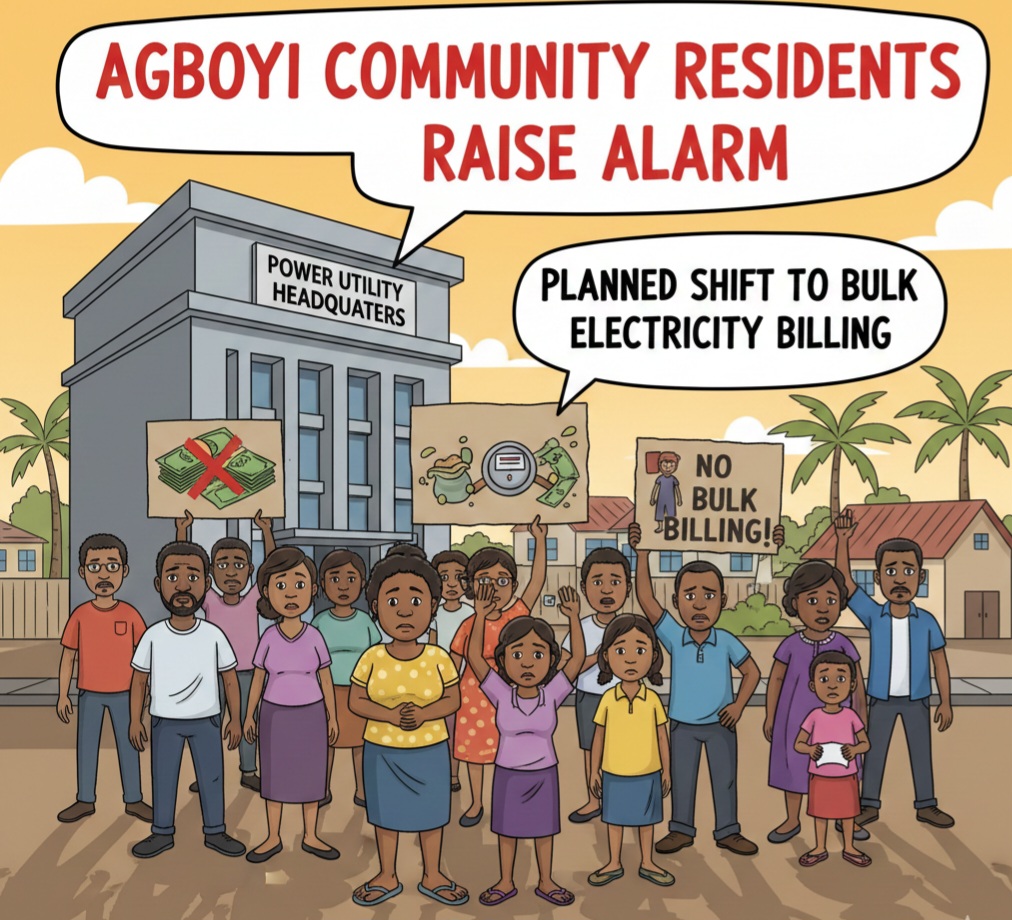
Residents of Agboyi Community 1 in Lagos have expressed growing concern over a planned transition from individual prepaid electricity metering to a bulk billing system, following a formal notification from Ikeja Electric Plc, endorsed by community leaders.
In a letter titled “Transition to Bulk Billing for Your Community,” Ikeja Electric informed residents that electricity consumption in the community will now be billed through a single consolidated monthly invoice, generated from a Maximum Demand (MD) postpaid meter installed on the community’s distribution transformer. The invoice will reflect the total electricity consumed by all apartments within the community.
The power distribution company stated that the new arrangement is intended to simplify billing and account management, improve power supply reliability, ease the integration of alternative energy solutions, and allow flexibility in designing internal tenant billing models.
Confirming the development, the Chairman of Agboyi Community 1 CDA, Mr. Adewale Seriki, disclosed in a notice to residents that the agreement will take effect from February 2025. He directed residents currently using prepaid meters to suspend electricity subscriptions, explaining that the monthly payment structure would be determined and communicated by selected community representatives.
“Other modalities of operations shall be announced at a meeting that will be made known soonest. The agreement shall be put to trial in the first three months. Your cooperation is highly solicited,” Seriki stated.
Documents sighted show that the agreement carries the signatures of community representatives and officials of the Agboyi Community Development Area (CDA), indicating approval for an initial trial phase of the bulk billing system.
However, the decision has triggered unease among residents, many of whom fear that the move could reintroduce estimated billing practices under another name. Several residents argued that prepaid meters ensure transparency, individual accountability, and control over electricity usage, warning that bulk billing could lead to unfair charges, internal disputes, and abuse.
Some residents also questioned the level of consultation carried out before the agreement was signed, alleging that CDA leaders may have committed the community without adequate, broad-based consent.
As debates continue, residents are demanding clear explanations on how bills will be calculated, what safeguards will be in place to prevent overbilling, and the mechanisms for resolving disputes. Community leaders, meanwhile, have assured residents that further engagement meetings will be held to address concerns ahead of the trial implementation of the new billing system.
Copy of the Agreement Letter
