
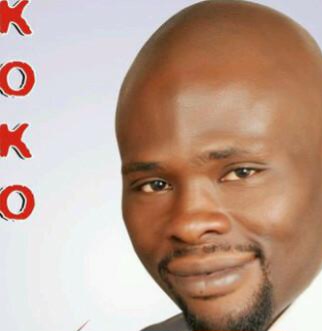
I participated in the Lagos State Local Government elections conducted by the Lagos State Independent Electoral Commission (LASIEC) in both 2008 and 2011. Sadly, 14 years on, not much has changed. The recently concluded July 12, 2025, local government elections once again exposed deep-rooted issues—widespread voter apathy and enduring doubts about LASIEC’s independence and credibility.
The outcome of the 2025 polls was unsurprising. In fact, it mirrored what played out in the 2011 contest when I ran for the position of councillor. Arguably, the situation has worsened. The results declared in Kosofe Federal Constituency, and across much of Lagos reflect a troubling pattern not exclusive to Lagos but seen in many opposition-led states across Nigeria: the ruling party dominating the local elections with little to no genuine challenge.
In truth, the real election happened on May 10 during the All Progressives Congress (APC) primaries. What transpired on July 12 was a mere formalisation, rubber-stamped by LASIEC. Over the last four years, opposition parties have become almost entirely absent from the local political space. In their place, disgruntled APC factions now serve as the de facto opposition, while most opposition parties appear to have set their sights solely on the 2027 general elections.
Given this reality, we must question the continued relevance of LASIEC in its current form. If the commission cannot operate independently of the ruling party, then perhaps it’s time to either overhaul it or scrap it altogether. Why spend public resources on hollow rituals disguised as elections, especially when outcomes are all but predetermined? Ironically, even APC members have been victims of this rigged process, manipulated under the guise of party supremacy.
We extend our congratulations to all newly elected chairpersons and councillors. However, we challenge them to embrace transparency, accountability, and probity as the foundation of their leadership—for the sake of the people they were elected to serve.
Finally, we call on community leaders, religious and traditional institutions, NGOs, CBOs, youth groups, digital media practitioners, and political actors not to wait until their personal interests are under threat or elections are looming before speaking out. Civic engagement and constructive scrutiny must become a constant—an everyday act of democratic responsibility, not an occasional reaction.
The future of local governance in Lagos, and Nigeria, depends on it.
Bilesanmi Abayomi writes from United kingdom