
By Bilesanmi Abayomi
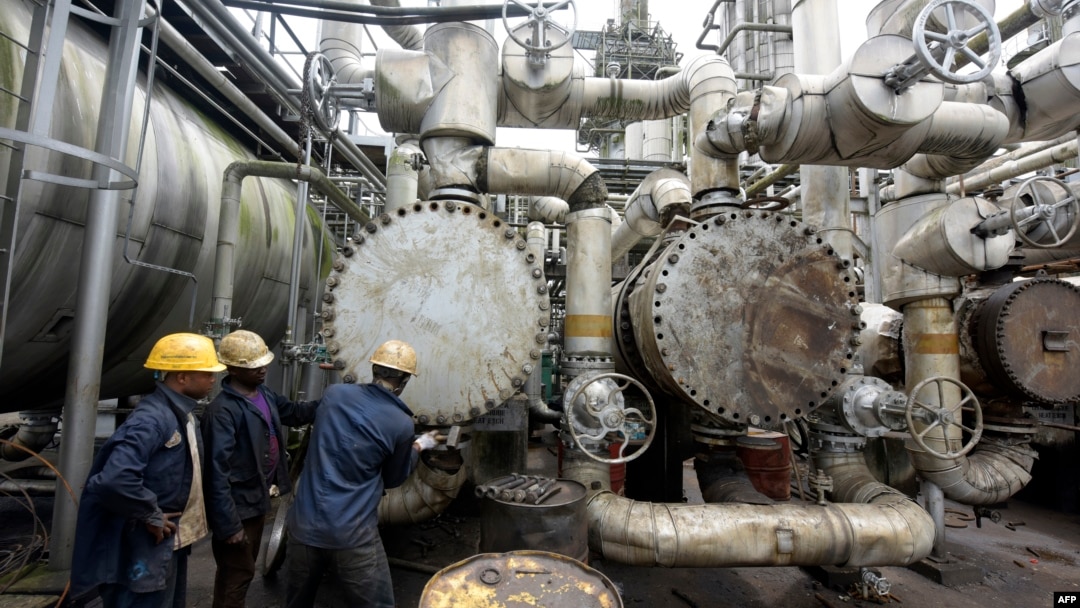
Fresh controversy has erupted over Nigeria’s ailing refineries as the Economic and Financial Crimes Commission (EFCC) intensifies its probe into former Nigerian National Petroleum Company Limited (NNPCL) boss, Mele Kyari, over a reported $7.2 billion turnaround maintenance (TAM) fund that yielded no visible result.
During a recent KosofePost headlines review, public affairs commentator Omoba Awofeso Rasheed accused Kyari and his collaborators of treating the refineries as “cash cows” for insiders while ordinary Nigerians continue to suffer from fuel scarcity and soaring pump prices.
“Kyari and NNPCL refineries collaborators are aware that nothing good can be enjoyed; it’s a cash cow to all stakeholders. OBJ was right on his assessments. Several billions for TAM have gone down the drain. We hype audio projects, play politics more than governance. In a more organised society, Kyari and his cohorts should be behind bars,” Awofeso declared.
For decades, Nigerians have watched billions of dollars vanish into so-called rehabilitation projects that never deliver. The plants remain comatose, forcing the country to rely heavily on imported refined products despite being Africa’s largest crude producer.
Obasanjo’s Unheeded Warnings
Former President Olusegun Obasanjo has repeatedly warned that Nigeria’s refineries cannot work under the current system riddled with mismanagement, corruption, and political interference. His key critiques include:
Government stranglehold: Federal control discouraged efficiency and kept private players out.
Oil majors’ rejection: Global companies like Shell refused to manage the plants, citing corruption, low-scale capacity (60,000–120,000 barrels per day vs global averages of 250,000), and poor maintenance.
Wasted billions: Over $2 billion sunk into TAM yielded no improvement.
Aborted deals: Efforts at private participation failed, including the reversal of Aliko Dangote’s US$750 million bid for two refineries under the Yar’Adua administration.
The Big Question: Where Did the Money Go?
With Kyari facing EFCC grilling, Nigerians are asking tough questions:
How was the $7.2 billion TAM fund actually spent?
Were funds misapplied or outright diverted?
Will anyone be held accountable, or will this end like previous probes?
For many citizens, Obasanjo’s warnings now look prophetic. Yet while insiders pocket billions, the government has failed to give Nigerians even the barest benefit from their own oil wealth.
The outcome of this probe will test whether the Tinubu administration is ready for real accountability and reform—or whether Nigeria’s refineries will remain endless drains of public funds.