
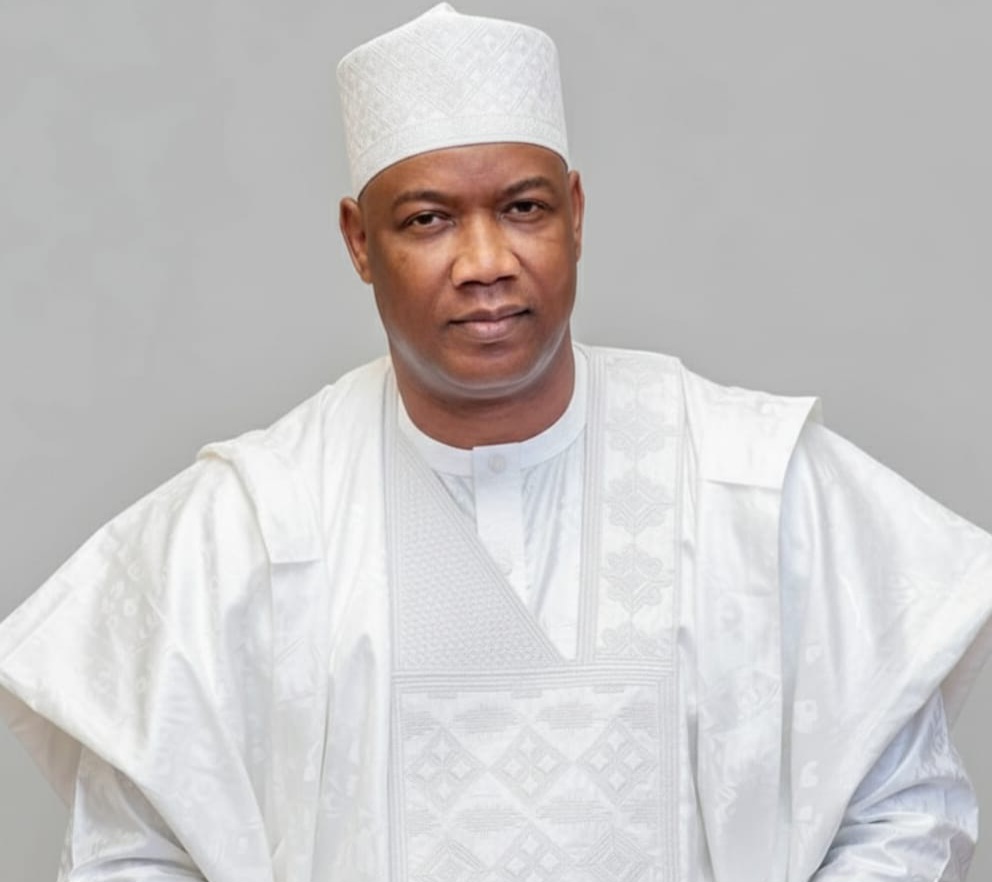
By KosofePost Reporter
Publisher of The Street Journal newspaper, Mogaji Wole Arisekola, has shared a deeply reflective commentary on what he described as the often-denied realities of men’s struggles within the family structure, drawing attention to emotional neglect, shifting power dynamics, and the silent suffering many fathers endure.
In a piece shared with KosofePost on Saturday morning, Arisekola examined family life across its different stages, arguing that men typically enter marriage as primary providers and authority figures but gradually lose emotional connection, influence, and appreciation as children grow and family responsibilities evolve.
The Early Stage: Provision Without Presence
According to him, the early phase of family life places men firmly in control, largely because of their role as breadwinners. However, he warned that fear-based discipline, coupled with prolonged absence caused by work commitments, often creates emotional distance between fathers and their children.
Arisekola recounted an encounter with a schoolchild who lamented that his father was rarely at home, only to later acknowledge that the same father paid his school fees and sustained the family’s lifestyle. He stressed that children’s understanding of sacrifice is shaped significantly by how mothers interpret and explain the father’s role within the household.
“The luxurious life many children enjoy is a result of unseen pain and sacrifice,” he observed, adding that a lack of appreciation can plant seeds of resentment that resurface later in life.
The Middle Stage: Shifting Power and Emotional Exclusion
He further argued that family power dynamics often shift during the second stage, when children complete their education and gain financial independence. At this point, he said, mothers may exert greater influence over children’s emotional ties and financial interactions with their fathers, sometimes reshaping loyalty and communication.
Arisekola warned that unresolved emotional wounds at this stage can drive men into loneliness, isolation, and vulnerability to social vices.
“Many men lose their homes emotionally before they lose them physically,” he stated, noting that some men seek validation and respect outside the home when they feel neglected within it.
Old Age: Dependence and Uncertainty
Addressing the later stage of family life, Arisekola observed that ageing parents often become dependent on children who are now focused on building their own families. He urged men to plan and save early, stressing that old age can be financially fragile and emotionally uncertain.
Men as Silent Victims
He also challenged the widespread perception that domestic abuse affects only women, insisting that many men suffer emotional and psychological maltreatment in silence due to societal expectations around masculinity.
“In many homes, the man is the silent victim. In many families, the father is the misunderstood hero,” he said.
Arisekola concluded by calling for a more balanced, honest conversation on marriage, emotional wellbeing, and power relations within families, urging society to acknowledge men’s vulnerabilities alongside their responsibilities.