
By Bilesanmi Abayomi
The Lagos State Government has announced plans to host the first Lagos Waterfront Summit, an initiative aimed at finding sustainable solutions to the challenges threatening the state’s waterfront and lagoon.
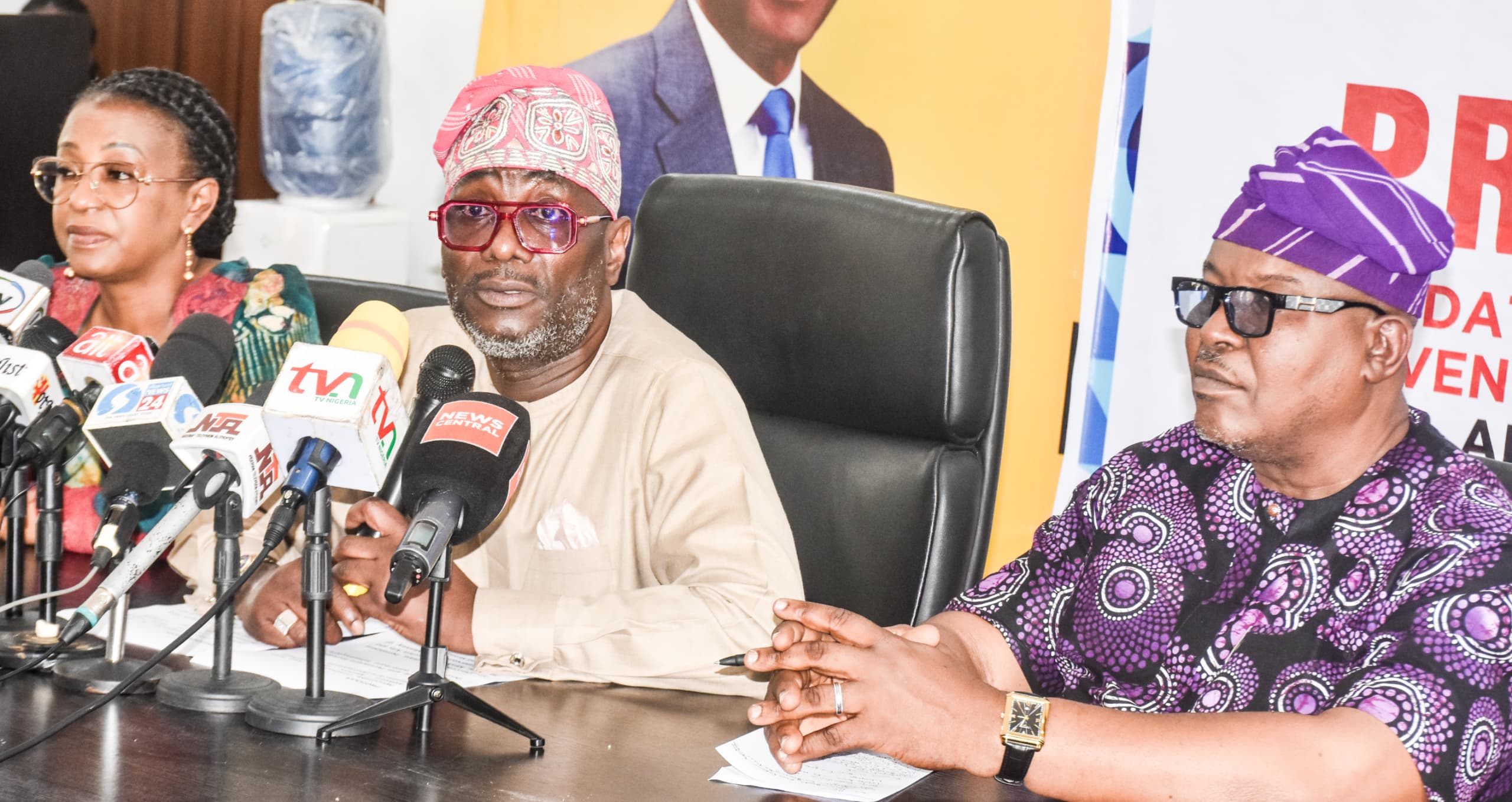
The Commissioner for Waterfront Infrastructure Development, Hon. Ekundayo Alebiosu, disclosed this during a press briefing ahead of the summit scheduled for September 11 at Eko Hotel, Lagos.
Alebiosu said the summit, with the theme “Pressure on the Lagoon: The Lagos Experience”, would spotlight the growing threats to the Lagos lagoon, encourage informed dialogue, and generate actionable policies.
He explained that Lagos is already grappling with severe coastal erosion, which has swept away communities such as Idotun Village in Ibeju-Lekki, leaving many families displaced and livelihoods destroyed. The commissioner added that the problem was not peculiar to Lagos, citing Keta Municipality in Ghana as another coastal area in West Africa battling similar devastation.
“Coastal erosion is a regional problem with global implications. Lagos must take urgent steps to safeguard its communities, infrastructure, and economy,” Alebiosu said. “The Lagos State Government has initiated collaboration with the Netherlands, a country renowned for its expertise in coastal and water management, to find lasting and innovative solutions.”
On the issue of illegal dredging, Alebiosu revealed that about 10,625 cubic metres of sand are dredged daily in Lagos. He warned that unchecked dredging activities could destabilise the ecosystem, destroy aquatic habitats, and endanger waterfront settlements.
To address this, he said the ministry has commenced a comprehensive bathymetric and hydrographic survey to identify over-dredged and under-dredged areas, noting that Ibeshe has already been severely affected.
Beyond the threats, the commissioner highlighted the untapped potential of the lagoon, stressing that it could be harnessed for transportation, tourism, fisheries, and trade, creating jobs and boosting livelihoods for Lagos residents if properly managed.
He further lamented the pollution of the lagoon, describing it as one of Africa’s most contaminated ecosystems. According to him, over 10,000 cubic metres of industrial waste are discharged into the lagoon daily, with effluents from oil, textile, and manufacturing sectors releasing hazardous heavy metals such as mercury, cadmium, lead, and nickel.
“The lagoon is not just a body of water; it is our heritage, our economy, and our future. Without urgent and coordinated intervention, this vital ecosystem and the communities it supports may be lost forever,” Alebiosu said.
He explained that the summit would bring together experts and stakeholders across different sectors to chart practical pathways for salvaging, restoring, and sustainably managing the lagoon.
Also speaking, the Permanent Secretary supervising the Ministry of Information and Strategy, Mr. Olanrewaju Bajulaiye, reiterated the government’s resolve to tackle illegal dredging and safeguard the lagoon from further environmental and social collapse.