
By Bilesanmi Abayomi
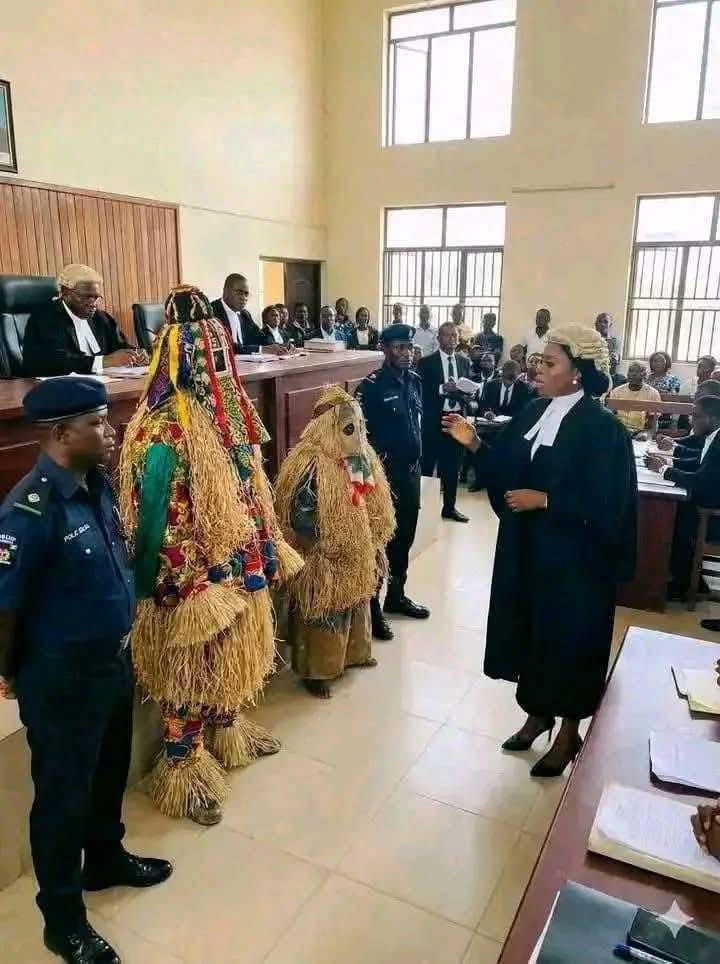
Human rights lawyer and public affairs analyst, Barrister Liborous Oshoma, has hailed what he described as a major legal triumph for traditional religious practitioners in Akwa Ibom State, following a reported court ruling in favour of Mr. Effiong, an Ekpo traditional worshipper.
In a viral social media post, Oshoma recounted how Mr. Effiong was earlier arrested and detained by the Akwa Ibom Police Command for allegedly disturbing public peace while taking part in an Ekpo masquerade procession in Uyo. He criticised the police—whom he mocked as “masquerading as hardworking policemen”—for criminalising a culturally recognised religious practice.
Landmark Judgment Affirms Ekpo Worship Rights
According to Oshoma, the court delivered a landmark ruling affirming the legitimacy of Ekpo traditional worship and upholding the rights of its adherents across the state. The judge reportedly ordered the immediate and unconditional release of Mr. Effiong and directed the government to compensate him for the violation of his fundamental rights and freedom of worship.
He noted that the ruling reinforces constitutional protections for indigenous religious expression in Nigeria, adding that it “underscores the importance of respecting diverse forms of worship.”
Background: Masquerade Ban Sparks Controversy
The matter originated after the Akwa Ibom State Government banned public masquerade displays, citing instances of intimidation, road blockages, and extortion by some groups. In the aftermath of the ban, police arrested Mr. Effiong in full Ekpo regalia, alleging he was disturbing public order.
The arrest generated widespread debate, with cultural advocates accusing the government of attacking traditional religion and eroding long-standing heritage. Government supporters, however, argued that some masquerade groups had indeed engaged in unruly and violent behaviour.
A Boost for Cultural and Religious Rights
Although the official court documents are yet to be made public, Oshoma’s remarks have intensified national conversations about the constitutional status and protection of indigenous religions in Nigeria. The case is fast becoming a reference point in discussions on cultural preservation, policing reforms, and the rights of minority religious groups.
In closing his remarks, Oshoma echoed the courtroom phrase: “As Your Lordship pleases.”