
By Bilesanmi Abayomi
As preparations for the 2027 general elections gradually gather momentum, potential candidates, their supporters, associates and political partners must tread with caution. Beyond campaign strategies and electoral permutations lies a growing but often ignored concern: the emotional and psychological toll of political deception on unsuspecting supporters.
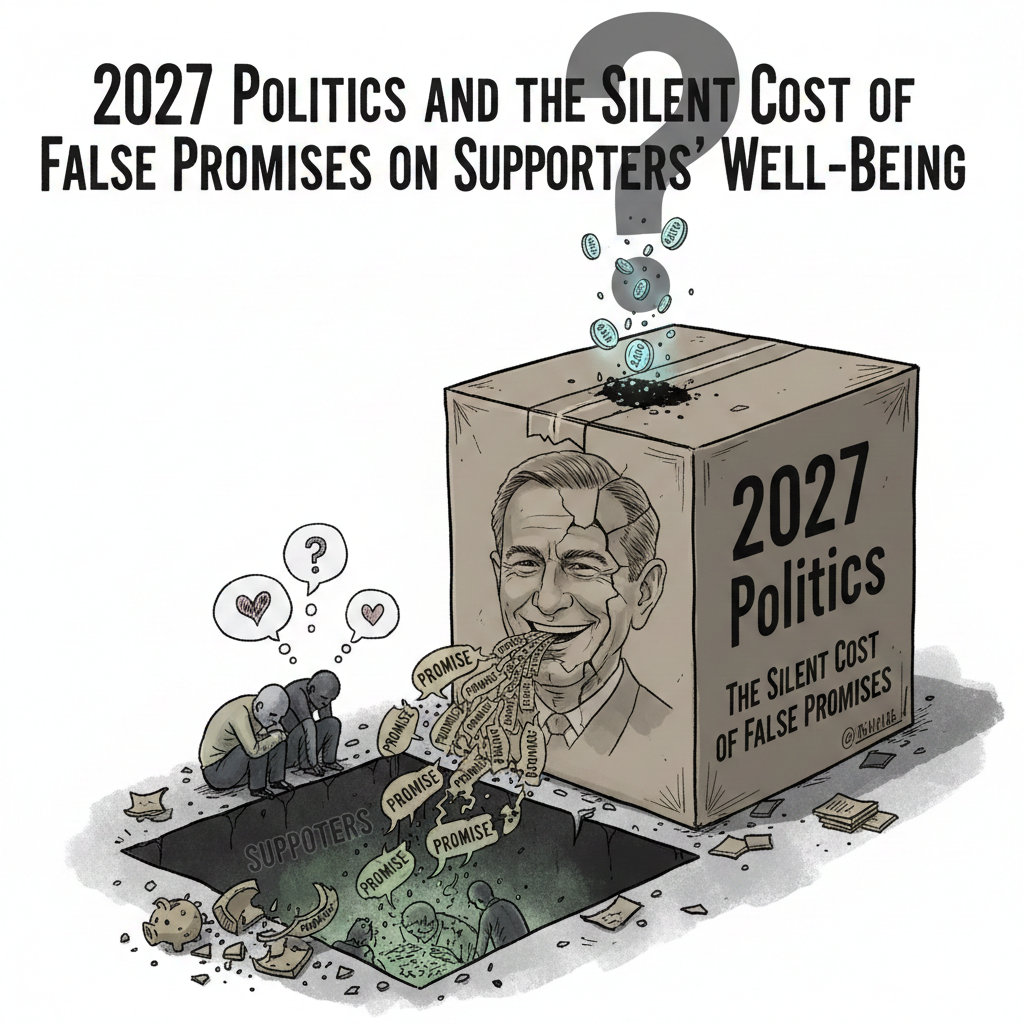
Over the years, Nigerians have become familiar with a troubling pattern in the political space. Some aspirants, lacking credibility, public trust or a verifiable record of service, resort to extravagant promises to attract loyalty. These inducements often include overseas relocation, foreign education opportunities, employment offers, empowerment schemes, and even religious pilgrimages such as Hajj slots or Jerusalem tours. Carefully packaged, these promises are designed to secure blind allegiance and unquestioning commitment.
In many cases, however, the warmth of these gestures fades quickly. The promises turn out to be hollow, serving only as tools to advance personal ambition or short-term political objectives. Once elections are concluded or ambitions collapse, supporters are frequently abandoned, leaving them humiliated and disillusioned.
There have been painful instances of individuals promised pilgrimage slots or relocation abroad, only to be left disappointed and emotionally broken. For vulnerable people who invested hope, time and sometimes scarce resources, the aftermath is often frustration, trauma and deep emotional distress. When expectations are deliberately raised without the capacity or intention to fulfil them, the resulting psychological impact can be devastating.
This reality underscores the need to fundamentally rethink how political support is given and sustained. Support should not be traded for personal favours or unrealistic inducements, but anchored on clear, realistic and people-centred policies. Education, transportation, electricity and gas supply, employment opportunities, housing, security and accessible primary healthcare should form the basis of political engagement.
In a functional society, citizens should not have to plead with politicians for hospital bills, school fees or emergency assistance. Effective governance should reduce vulnerability, not exploit it.
As 2027 approaches, Nigerians are called upon to choose wisely—not only for electoral outcomes, but for their dignity, emotional well-being and a future built on sincerity, accountability and truth rather than deception.