
People’s Criticism And Attack Cannot Stop Islamic Scholars From Saying The Truth!
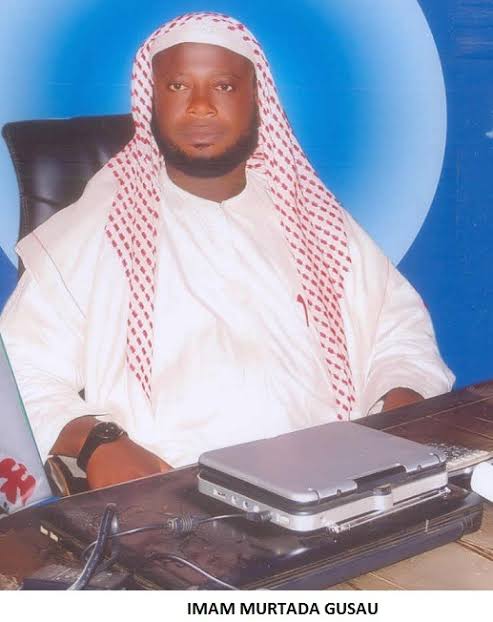
By Imam Murtadha Gusau
Tuesday, September 15, 2026
In the Name of Allah, the Most-Merciful, the Ever-Merciful
All praise be to Allah, the Absolute Truth, the Manifest, who guides from misguidance, teaches from ignorance, and leads the Muslim believers from darkness into light. I bear witness that there is no deity worthy of worship but Allah, and I testify that Muhammad is His servant and messenger, may Allah bless him and grant him peace abundantly.
Dear brothers and sisters! The Islamic scholars— Ulama, the heirs of the Prophets—have always held a central and sacred role in shaping, guiding, and preserving the moral, social, spiritual, and intellectual fabric of Muslim Ummah. Their responsibility is not limited to delivering sermons or issuing religious rulings; rather, it extends to nurturing hearts, cultivating ethical societies, safeguarding authentic knowledge, and offering direction amidst the complexities of modern life.
The Qur’an itself honours those who possess knowledge, stating that:
“Are those who know equal to those who do not know?” [Qur’an, 39:9], highlighting the elevated rank of Islamic scholars in the sight of Allah and their indispensable function in society.
Within the Muslim Ummah, Islamic scholars serve as pillars of wisdom, spiritual support, and guidance. They have an impact both locally and globally, influencing people’s thoughts, bolstering their faith, overcoming obstacles, maintaining their identities, and advancing justice. Their wisdom continues to be a source of stability and light in a world full of moral ambiguities and quick changes.
In order to ensure that the timeless teachings of Islam endure for future generations, the Ummah must respect their scholarship, encourage their endeavours, and seek knowledge from reliable and authentic sources.
The first and most fundamental role of Islamic scholars is to preserve and transmit authentic knowledge. From the era of the Companions until today, Islamic scholars have carried the responsibility of safeguarding the Qur’an, the Hadith, and the principles of Islamic jurisprudence. Through meticulous study, memorisation, verification, and teaching, they ensure that Islamic teachings remain pure, reliable, and free from distortions. They maintain the intellectual heritage of Islam through:
- Writing classical and contemporary scholarly works.
- Teaching in Mosques, Madrasas, Islamic universities, and online platforms.
- Training future Islamic scholars and Imams.
- Preserving chains of transmission (Isnad/Sanad).
Without their devotion, the richness of Islamic scholarship—spanning theology, law, ethics, spirituality, and more—would fade with time.
Islamic scholars play a vital role in building the moral character of individuals and the Ummah in general. They help people connect religious knowledge with daily life, reminding them of their duties towards Allah and fellow humans. They guide the Ummah by:
- Delivering Friday sermons (Khutbahs) and educational lectures (Muhadaras).
- Teaching the values of humility, honesty, compassion, and justice.
- Addressing spiritual problems such as doubt, anxiety, or moral confusion.
- Encouraging repentance, patience, gratitude, and sincerity.
Through their wisdom and understanding of the human heart, Islamic scholars help Muslims cultivate a spiritually balanced life, grounded in faith and good character.
One of the most delicate responsibilities of Islamic scholars is providing legal guidance. Modern life presents new issues—technological, medical, financial, and social—that require a deep understanding to determine what aligns with Islamic principles.
Islamic scholars contribute by issuing fatwas based on scriptural evidence and contemporary realities.
Advising on ethical medical practices, business transactions, and family matters.
Ensuring that Islamic rulings are accessible, relevant, and compassionate.
Preventing extremism by offering balanced, evidence-based guidance.
Their jurisprudential expertise ensures that Muslims can practice their faith confidently and correctly, even in rapidly changing times.
In an age where lies and misinformation spreads quickly, Islamic scholars serve as defenders of the middle path of Islam. They counter harmful ideologies, clarify misconceptions, and protect the Ummah from manipulation.
They combat extremism and terrorism by:
- Promoting a balanced, authentic understanding of Islam.
- Refuting false interpretations and cultural distortions.
- Engaging youth in meaningful and benefitial dialogue.
- Offering peaceful, Qur’anic solutions to conflict and societal issues.
When Islamic scholars fulfil this role diligently, they preserve unity and prevent fragmentation within the Ummah.
Islamic scholars are not only religious teachers but also social leaders who shape the ethical tone of society. Their guidance influences communal harmony, charity, justice, and public responsibility.
They contribute by:
- Encouraging community service, zakat, waqaf, and charitable projects.
- Mediating disputes and promoting reconciliation.
- Supporting the rights of the poor, oppressed, and marginalised.
- Advising leaders and institutions on ethical governance.
A society guided by sincere and knowledgeable Islamic scholars thrives in cooperation, fairness, and collective well-being.
With globalisation, Muslim Ummah face challenges related to identity, cultural pressure, and assimilation. Islamic scholars help preserve Islamic identity while encouraging meaningful participation in society. True Islamic scholarship inspires intellectual curiosity and deep reflection. Historically, Muslim scholars contributed to philosophy, science, medicine, mathematics, and literature—guided by faith.
Respected brothers and sisters! An Islamic scholar must speak the truth and remain patient against public criticism when their message is firmly rooted in authentic evidence from the Qur’an and the teachings of Prophet Muhammad (Peace be upon him).
Islamic scholars carry a sacred trust to teach what is right and guide people properly. True Islamic scholars do not hide correct knowledge out of fear of insults or backlash. Their statements must rely on clear textual proof rather than personal feelings or desires.
History shows that righteous teachers and reformers often face harsh words and disapproval when they bring clarity. Islamic scholars are advised to respond to anger and attacks with calm patience and good manners. According to guidance on criticising Islamic scholars, if someone disagrees with an Islamic scholar, they should correct mistakes respectfully using evidence, rather than resorting to insults, lies, or malicious slander.
Remember, those who are ignorant speak against Allah, the creator of all that exists, so what treatment should we expect from some people who are ignorants and full of faults.
A true Islamic scholar must speak the truth and remain steadfast even when facing harsh public criticism or attacks. Throughout Islamic history, knowledgeable teachers have faced opposition when sharing what they believe is right.
Islamic scholars have a religious duty to teach what they learn from the Qur’an and the Sunnah. Prophets and righteous teachers before them also faced insults, but they did not let fear stop their message. A real Islamic teacher cares more about pleasing Allah than winning the approval of the crowd.
When people attack an Islamic scholar out of anger or ignorance, the proper response is patience. Respectful disagreement based on clear evidence is acceptable in Islam, but insults and slander are discouraged. People often attack when they misunderstand a scholar’s words or motives.
A sincere Islamic scholar must remain steadfast and prioritise speaking the truth based on the Qur’an and Sunnah, regardless of public criticism or attacks.
True Islamic scholars follow textual evidence rather than seeking popularity or fearing backlash. Historical figures like Shaikhul Islam Ibn Taimiyyah faced severe opposition and slander yet remained firm in upholding what they knew to be correct.
Constructive feedback done respectfully and backed by evidence is accepted in Islamic tradition. However, personal insults, defamation, and malicious attacks do not invalidate a scholar’s sincere effort to seek and share knowledge.
Facing disapproval is a natural outcome when a person stands up for righteousness and knowledge. Islamic scholars are advised to respond with patience, wisdom, and good manners rather than engaging in petty and unnecessary disputes.
Imam Abdullah Ibn Mubarak, the master of the science of Hadith who died in 181 AH, was asked:
“Who are the best among people? He said: Islamic scholars. It was asked: Who are the best among kings? He said: The ascetics. Somebody asked: Who are the low people? He said: Those who replace religion with the world.”
So, here, the Imam considered the people who deserve the rank of humanity are Islamic scholars, and he had said the truth. How wonderful his answer was about the low people! The lowest people are those who replace their religion for the world; those are the evil Islamic scholars.
Fellow broghers and sisters! Know that, Shaja’ah or Courage is a core ethical and spiritual trait in Islam, deeply tied to upholding truth, justice, and responsibility rather than yielding to cowardice.
A foundational element of bravery in Islamic tradition is standing firm and declaring the truth, especially when confronting any kind of injustice or tyrannical authority.
The Prophet Muhammad (Peace be upon him) and his companions exemplified moral and physical courage, enduring persecution, hardship, and battles while remaining steadfast in their mission.
And true bravery is not merely physical aggression; it involves emotional self-control, patience, and resisting internal weaknesses like fear, greed, and moral compromise.
Islamic scholars and religious leaders carry the heavy trust of preserving and transmitting religious knowledge, which requires the fortitude to guide Ummah and correct wrongs without fearing blame or pressure.
Islamic perspectives differentiate recklessness from true courage. A courageous Islamic scholar exercises wisdom—knowing when to speak out firmly against falsehood and when to act with strategic patience to preserve peace and prevent unnecessary harm.
All praise is due to Allah, Lord of the worlds. May the peace, blessings and salutations of Allah be upon our noble Messenger, Muhammad, and upon his family, his Companions and his true followers.
Murtadha Muhammad Gusau is the Chief Imam of Nagazi-Uvete Jumu’ah and the late Alhaji Abdur-Rahman Okene’s Mosques, Okene, Kogi State, Nigeria. He can be reached via: gusauimam@gmail.com or +2348038289761 or +2348024192217.