
By Bilesanmi Abayomi
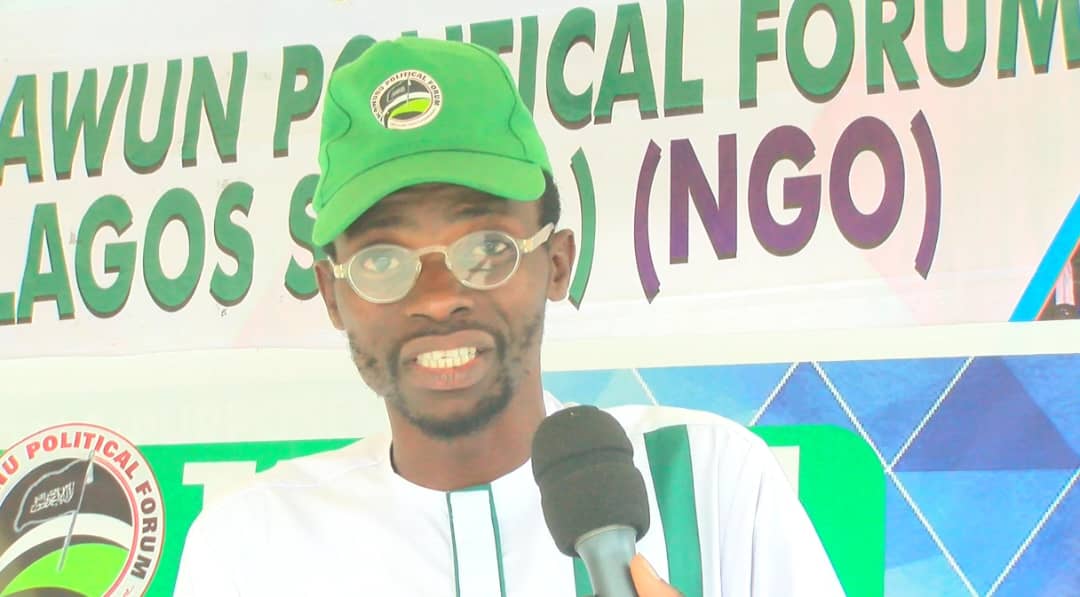
The President of Ta’awun Humanitarian Forum, Mr. Taiwo Lasisi, has called on political and religious stakeholders to ensure that religious morality, fairness, and inclusion begin from Southern Nigeria, stressing that equity must first be practiced locally before being demanded nationally.
Lasisi made the call while reacting to a recent opinion article titled “If the South Truly Loves Muslims, Why Doesn’t It Elect Them as Governors?” by Mohammed Bello Doka, published on January 30, 2026, and shared by KosofePost. He described the article as a constructive democratic intervention deserving of deep national reflection.
According to him, the ongoing national debate over religious balancing in politics, particularly the sustained criticism of the Muslim–Muslim presidential ticket since 2023 and renewed calls for the replacement of Vice President Kashim Shettima ahead of the 2027 elections, exposes what he described as deep contradictions in Nigeria’s political discourse.
Lasisi argued that while some political and religious actors strongly condemn perceived Christian exclusion in parts of Northern Nigeria, such as Kaduna State and at the federal level, they often ignore what he termed the systemic political marginalisation of Muslims in Southern Nigeria.
He noted that Muslims have never been elected as governors or deputy governors in many Southern states, particularly in the South-East and South-South, as well as in states like Ekiti and Ondo in the South-West. Despite this long-standing exclusion, he said, Southern Muslims have largely refrained from framing the issue as religious persecution.
“Paradoxically, if Christians were to find themselves politically disadvantaged in the same way Muslims in Southern Nigeria have experienced, the matter would likely be quickly internationalised, with claims of religious or political persecution,” Lasisi said.
He warned against what he described as “moral outsourcing”, where Southern political elites demand religious concessions from Northern Nigeria while failing to address similar imbalances within their own regions.
Calling for deliberate action, Lasisi urged Southern states to demonstrate genuine commitment to inclusion by actively considering Muslim candidates for deputy governorship and other strategic executive positions, particularly in states such as Abia, Rivers, Edo, and others across the Southern region.
“Charity begins at home,” he said. “Let religious fairness and moral consistency start from Ekiti State and spread across Southern Nigeria. Only then can calls for inclusion and balance at the national level carry real moral weight.”
He concluded by advocating for a more honest, balanced, and principled national conversation on religion and politics, stressing that sustainable unity can only be built on consistent application of fairness across all regions.
“God bless Nigeria,” Lasisi added.