
By Bilesanmi Abayomi
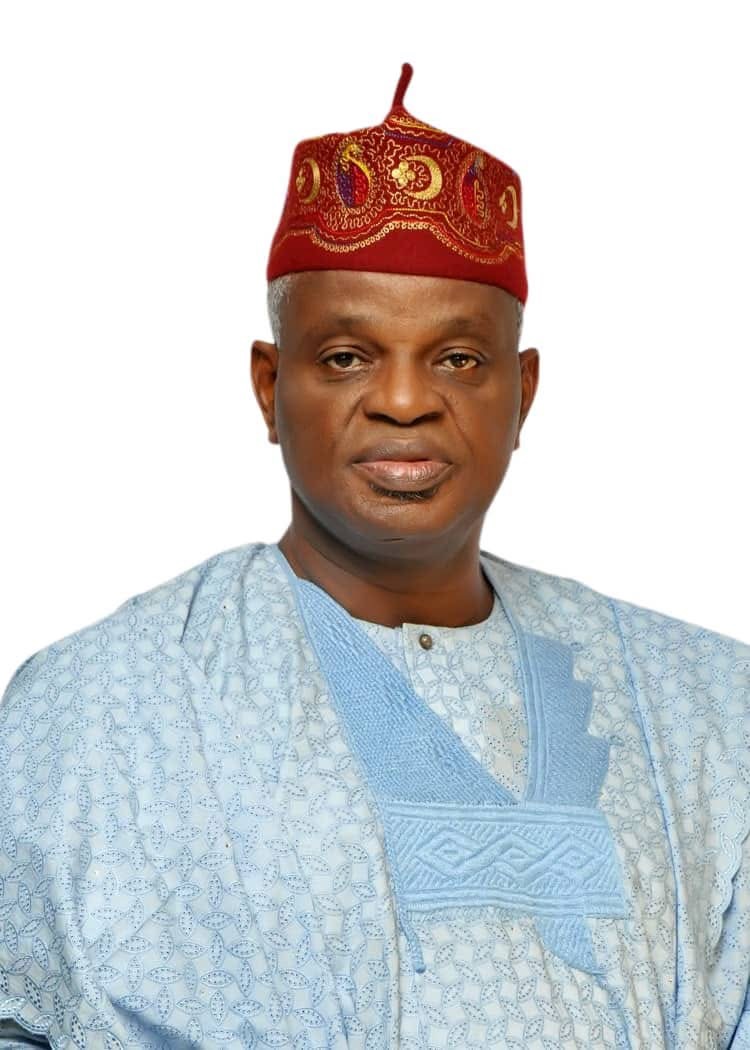
Former Chairman of Kosofe Local Government, Afolabi Sofola, has marked another year amid a noticeably subdued public response, prompting reflections among political observers and constituents.
Unlike the widespread goodwill messages that often accompany active public office holders, Sofola’s birthday passed with limited visibility across his official social media platforms, including Facebook and WhatsApp. The muted online engagement has triggered conversations about the evolving nature of political loyalty and public recognition.
Analysts note that political figures frequently attract heightened attention while in office, largely driven by influence, access, and patronage networks. Once out of power, however, such visibility often diminishes—raising questions about the depth and authenticity of prior support.
Some observers referenced the Yoruba expression “igida eyefo,” a phrase commonly used to describe opportunistic or insincere associations, suggesting that the moment reflects the transient nature of political allegiance.
Despite the low-key atmosphere, a number of supporters and associates still extended goodwill messages, acknowledging Sofola’s contributions during his tenure as a two-term council chairman.
At the same time, the occasion has also reopened discussions around governance outcomes under his administration. Some constituents pointed to unfinished projects, notably the abandoned library project at Emmanuel High School, as a missed opportunity for long-term community impact.
Stakeholders argue that the completion of such initiatives could have strengthened Kosofe’s educational infrastructure, especially as several Local Council Development Areas (LCDAs) within the axis have since invested in ICT centres and similar community-focused projects.
Beyond the personal celebration, Sofola’s birthday has evolved into a moment of broader reflection—highlighting the intersection of leadership legacy, public perception, and the shifting dynamics of political relevance in Kosofe.