
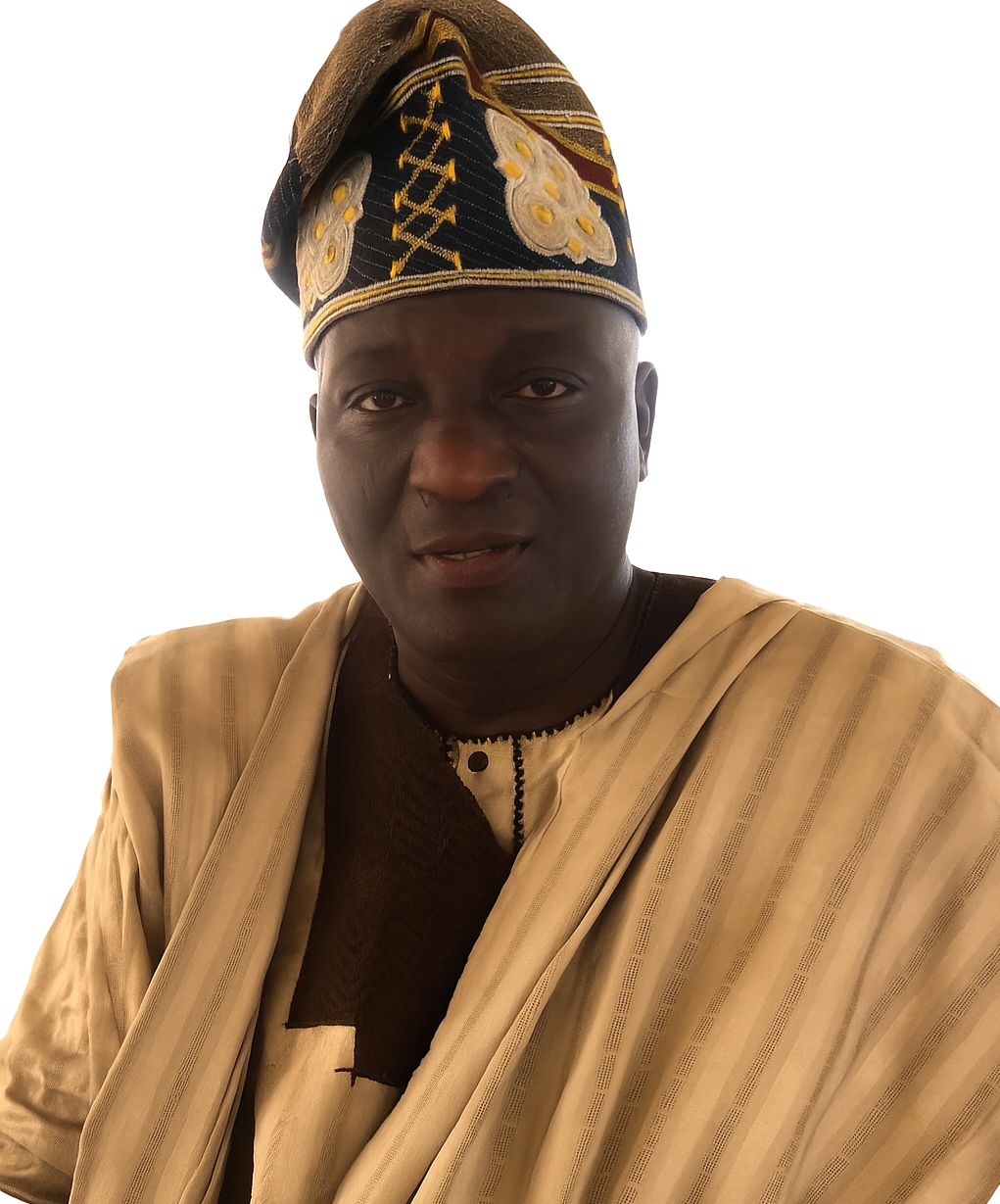
By Bilesanmi Abayomi
Prominent commentator, Omoba Awofeso Rasheed, has raised concerns over the state of Nigeria’s democracy, warning that many institutions established to ensure accountability and compliance are gradually losing their independence.
Rasheed made the remarks while reacting to a recent opinion article published by KosofePost titled “Democracy Suffers When Accountability Becomes Seasonal.”
According to him, several regulatory and oversight bodies that were created to serve as checks on power have now become instruments allegedly deployed for political interests rather than genuine public accountability.
“Accountability is likely to suffer because many institutions established for checks and compliance have become mere tools,” Rasheed stated.
He further described some of the institutions as “toothless bulldogs,” alleging that they often remain inactive except when used against perceived political opponents.
Rasheed argued that the situation has contributed to a growing culture of impunity, where individuals accused of corruption or abuse of office are rarely held accountable.
According to him, democracy cannot thrive where institutions fail to function independently or where enforcement mechanisms appear selective.
The commentator also criticised the persistence of “cash-and-carry politics,” warning that the practice continues to weaken democratic development and good governance in Nigeria.
He lamented that many citizens still trade their votes and political conscience for temporary benefits such as food items and souvenirs during elections.
“Many people compromise their conscience for cups of rice and party souvenirs, failing to realize that such Greek gifts may only lead them to the next bus stop of hardship and suffering,” he said.
Rasheed stressed that citizens must recognise their collective responsibility in shaping the future of the country, noting that meaningful change cannot happen without active public participation and political consciousness.
He also reminded public office holders that governance is fundamentally about managing collective resources for the welfare of the people rather than personal enrichment.
“Bad governance can never produce meaningful development,” he added.
Observers note that Rasheed’s comments contribute to ongoing debates around institutional independence, voter behaviour, accountability, and the broader health of Nigeria’s democratic system as political activities intensify ahead of future elections.