
By Bilesanmi Abayomi
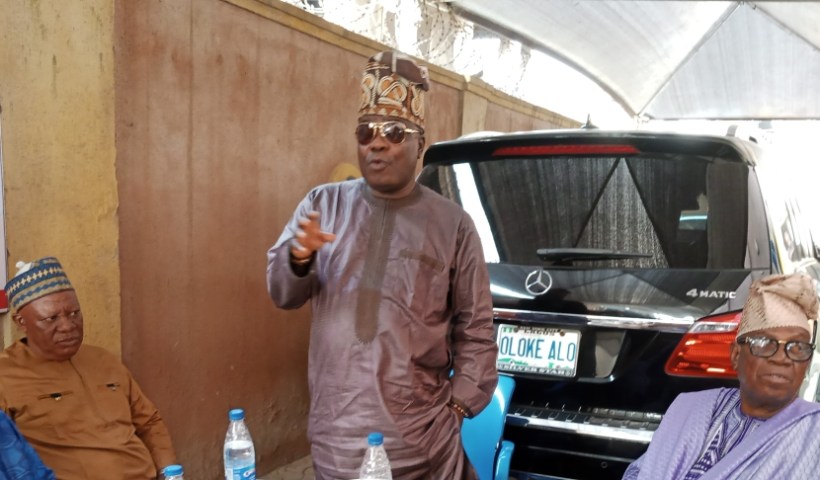
Ten years after the emergence of Alhaji Oba Abeeb Adesina Akolawole Obaoseparo Faronbi as the Oba-elect of Oke-Alo/Gbagada/Pedro/Mende/Anthony/Maryland in Kosofe Local Government Area of Lagos State, members of the public have raised questions over the prolonged delay in his formal installation and presentation of his Staff of Office.
YOU MAY ALSO LIKE:Isolo LCDA Chairman Celebrates Oke-Alo/Gbagada Oba-elect Faronbi on Birthday
The delay has generated growing concern among community members and observers, who have questioned why the traditional ruler has yet to receive his official appointment letter and Staff of Office from the Lagos State Government.
Prominent social commentator, Omoba Rasheed Awofeso, also raised the issue publicly, asking, “What is holding the granting [of] the Staff of Office to the Oba-elect for over a year?”
However, findings indicate that the delay is linked to ongoing proceedings before the Lagos State Standing Tribunal of Inquiry into Chieftaincy Matters in Suit No. STICM 57/16.
The tribunal, chaired by Hon. Justice O.A. Dabiri (Retd.), is sitting at the Old Secretariat on Oba Akinjobi Road, GRA, Ikeja, to hear matters relating to the resuscitation of the Oba Alaashe of Oke-Alo/Gbagada/Pedro/Mende/Idiroko/Anthony/Maryland Obaship stool.
Although the Oba-elect has concluded his testimony before the tribunal, the proceedings are yet to be concluded, with cross-examinations still outstanding.
Following earlier adjournments in April and May 2026, the tribunal has now adjourned the matter to November 26, 2026.
The next sitting is expected to focus on the cross-examination of witnesses by counsel representing the Oloto Chieftaincy, listed as the first respondent in the case.
Until the tribunal concludes its inquiry and submits its recommendations, the formal recognition of the Oba-elect and presentation of the Staff of Office by the Lagos State Ministry of Local Government and Chieftaincy Affairs remain pending.
The development has left residents and stakeholders awaiting the conclusion of the long-running process and the government’s subsequent decision on the traditional institution.