
By Bilesanmi Abayomi
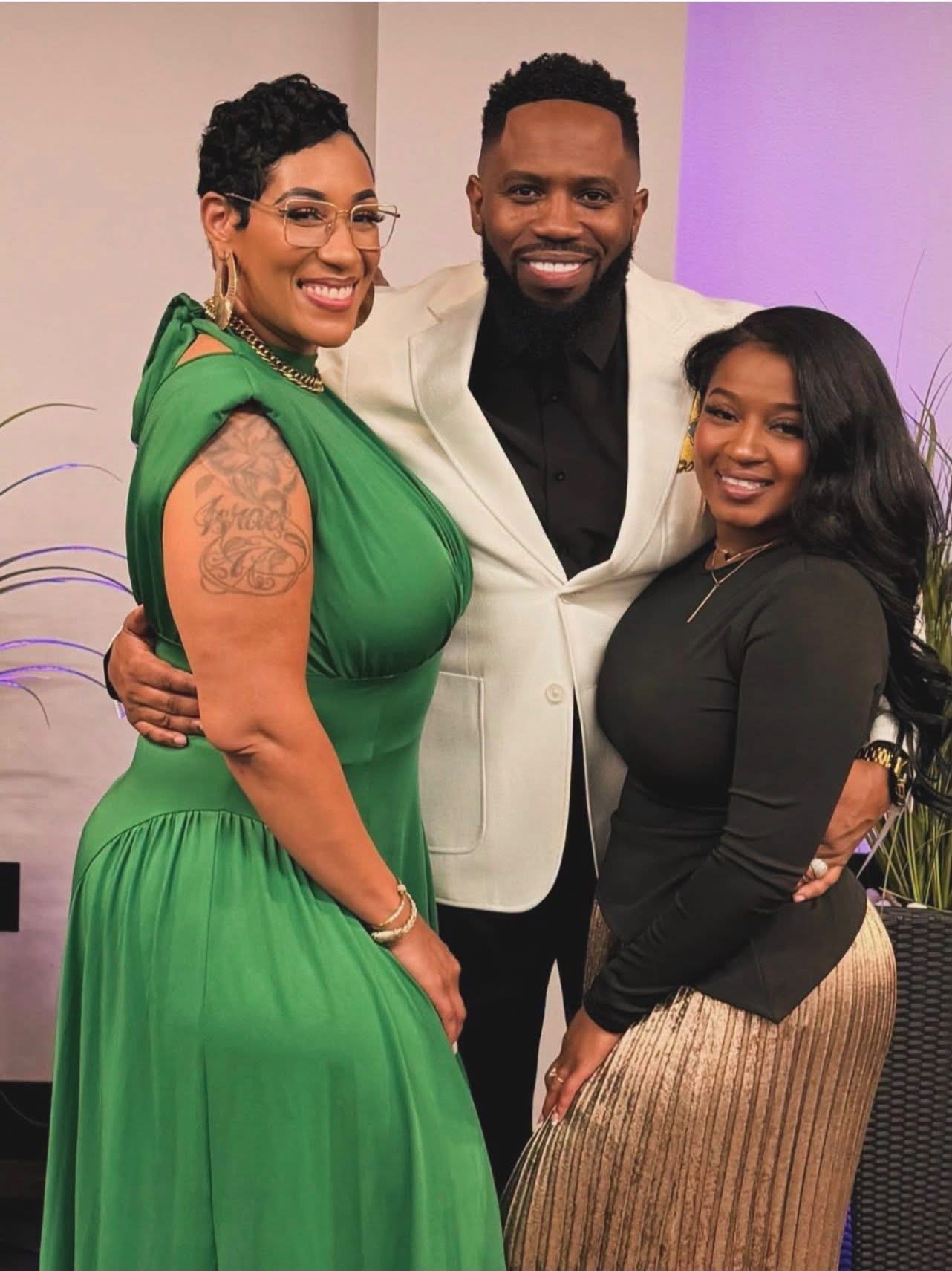
The decision by Prophet Israel Ford of LifeWorks Church in Wickliffe, Ohio, to publicly introduce a second wife to his congregation has reignited debate over polygamy, biblical interpretation and the expectations placed on Christian leaders.
Ford reportedly described his polygamous arrangement as a “biblical spiritual marriage”, a position that has drawn reactions from Christians and commentators, including voices in Nigeria.
The development has brought renewed attention to questions about whether biblical accounts of polygamous marriages provide a basis for Christians today to practise polygamy, and whether the expectations for church leaders differ from those of other believers.
In Nigeria, where Christian beliefs interact with diverse cultural and religious traditions, the reactions reflect differing approaches to scripture, marriage and religious leadership.
Cultural Perspective: Looking Beyond Tradition
Olalere Azeez Ololade-Senator, who grew up in a Muslim home but practises Christianity, argued that the debate requires an understanding of both religious history and the complexities of human relationships.
He noted that Islam permits polygamy under conditions, including the requirement of fairness, as stated in Surah An-Nisa 4:3. He contrasted this with the position of many Christian denominations, which uphold monogamy as the standard for marriage.
Ololade-Senator also pointed to biblical figures such as Abraham, Jacob, David and Solomon, who had multiple wives, arguing that their stories complicate attempts to present biblical history as exclusively monogamous.
He acknowledged that a pastor introducing a second wife would naturally raise questions among congregations accustomed to monogamous marriage.
However, he maintained that marriage should be assessed beyond public perception and religious tradition.
“When a Christian pastor chooses this path today, it naturally raises eyebrows because it challenges deep-seated church traditions. But wisdom teaches us that marriage, whether with one partner or two, is never about public show. It requires deep emotional maturity, radical honesty, proper exposure, and genuine reverence for God. At the end of the day, God checks the heart, the character, and how people treat one another behind closed doors,” he said.
Theological Argument: Monogamy as the Biblical Ideal
Dr Victor Akinsipe, Managing Director and Chief Executive Officer of Boomanage Properties, offered a different interpretation, arguing that although polygamy appears in Old Testament accounts, its presence in scripture does not establish it as God’s preferred model for Christian marriage.
He identified several biblical passages that, in his view, support monogamy as the standard for Christians.
Akinsipe cited Genesis 2:24, which describes a man leaving his parents and being united with his wife to become one flesh. He also referenced Matthew 19:4–6, where Jesus refers to the creation account in discussing marriage.
He further pointed to Deuteronomy 17:17 and 1 Kings 11:1–4, which warn against the multiplication of wives and describe how Solomon’s marriages turned his heart away from God.
Other passages he cited include 1 Corinthians 7 and Ephesians 5, which discuss mutual responsibility, love and the relationship between marriage and Christ’s relationship with the Church.
On church leadership, Akinsipe highlighted 1 Timothy 3:2, which states that an overseer should be “the husband of one wife”.
He acknowledged that the New Testament does not contain a single explicit statement that directly prohibits every form of polygamy. However, he argued that its broader teachings establish monogamy as the appropriate Christian model.
“The overall biblical evidence supports monogamy as the clearest expression of God’s original design for marriage,” he said.
He added that Christians should uphold monogamy as a model of marital unity, sacrificial love, mutual responsibility and covenantal faithfulness.
CAN Official Distinguishes Old Testament Patriarchs from Christian Leadership
Moses Olatoye Orimoloye, Assistant Secretary of the Christian Association of Nigeria (CAN), Kosofe Chapter, also defended monogamy, arguing that the marriages of Old Testament patriarchs should not automatically be treated as a template for Christians.
Responding to references to Abraham and Jacob, Orimoloye said their experiences belonged to a different period in biblical history and should be considered in the context of the teachings of Jesus Christ.
“Behold, they are not Christians; they were serving God eye to eye and directed by God,” he said.
He maintained that Christian marriage should reflect the teachings and example of Christ, pointing to Apostle Paul’s instruction on the qualifications of church leaders.
“Christianity means Christ-like people. Jesus did not come to destroy the good work of God but to make it easier for us to follow. Apostle Paul said if you want to be a bishop, you need to go by one wife. This teaches us to uphold our faith and serve God in faithfulness,” Orimoloye added.
He urged intending couples to approach marriage with prayer and careful consideration.
“Pray VERY well before marriage. You can fully serve God better in one man, one wife,” he said.
A Wider Debate on Scripture, Marriage and Church Leadership
The reactions to Ford’s reported announcement reveal differing approaches to biblical history, contemporary Christian practice and the responsibilities of religious leaders.
While Ololade-Senator emphasises cultural context, personal conduct and the complexities of marriage, Akinsipe and Orimoloye argue that the teachings of Jesus and the New Testament provide the framework for Christian monogamy.
The debate also raises a distinction between the presence of polygamy in biblical narratives and whether those accounts constitute an endorsement of the practice for Christians today.
For Nigerian believers, the controversy extends beyond one pastor’s marital arrangement to broader questions about how religious leaders interpret scripture, exercise authority and reconcile personal choices with the teachings and expectations of their faith communities.